Whether you’re growing flowers, herbs, or vegetables, there are two things every gardener should know before planting: your grow zone and your frost dates.
In this post, I’m going to discuss both. Using these helpful guidelines is a head start to beauty in the garden.

Knowing Your Grow Zone and Frost Dates
Whether you’re planting annuals, perennials, or vegetables, knowing your grow zone and frost dates will help make your gardening more successful.
While you may fall in love with a particular perennial, it’s not always a guarantee it will return the following year. And when it comes to annuals and vegetables, planting at the wrong time can sometimes leave you with little or even nothing to show for your efforts.
Let’s walk through how to find your grow zone and frost dates, and how to use them as a helpful rule of thumb when planting. This will help you garden with less risk and more reward.

What is a Grow Zone?
Your growing zone is based on your region’s average minimum winter temperature. In the U.S., this is defined by the USDA (United States Department of Agriculture) Plant Hardiness Zone map.
Each zone helps you understand which plants are likely to survive year after year in your area.
Here’s an interesting note:
The first edition of the USDA Plant Hardiness Zone Map was published in 1960, using 10 degree Fahrenheit ranges and created Zones 1-10.
This map has actually been updated several times over the years, with the most recent update in 2023. That map shows an average warming of about 2.5 degrees across the United States compared to the previous data. There were technological advancements that allowed for a more detailed map, reflecting updated Climate Normals. These zones have shown to shift north at roughly 13.3 miles per decade.
And here’s the reason I’m sharing. Even if a perennial may not come back in your zone right now, with these gradual shifts toward warmer temperatures, it could very well be suited to your zone in the future. Keep an eye on future updates!
How to Find Your Zone
Find your color on the map. Each shade represents a range of average winter temperatures. This helps you to both understand your growing conditions and choose the right plants for your garden.

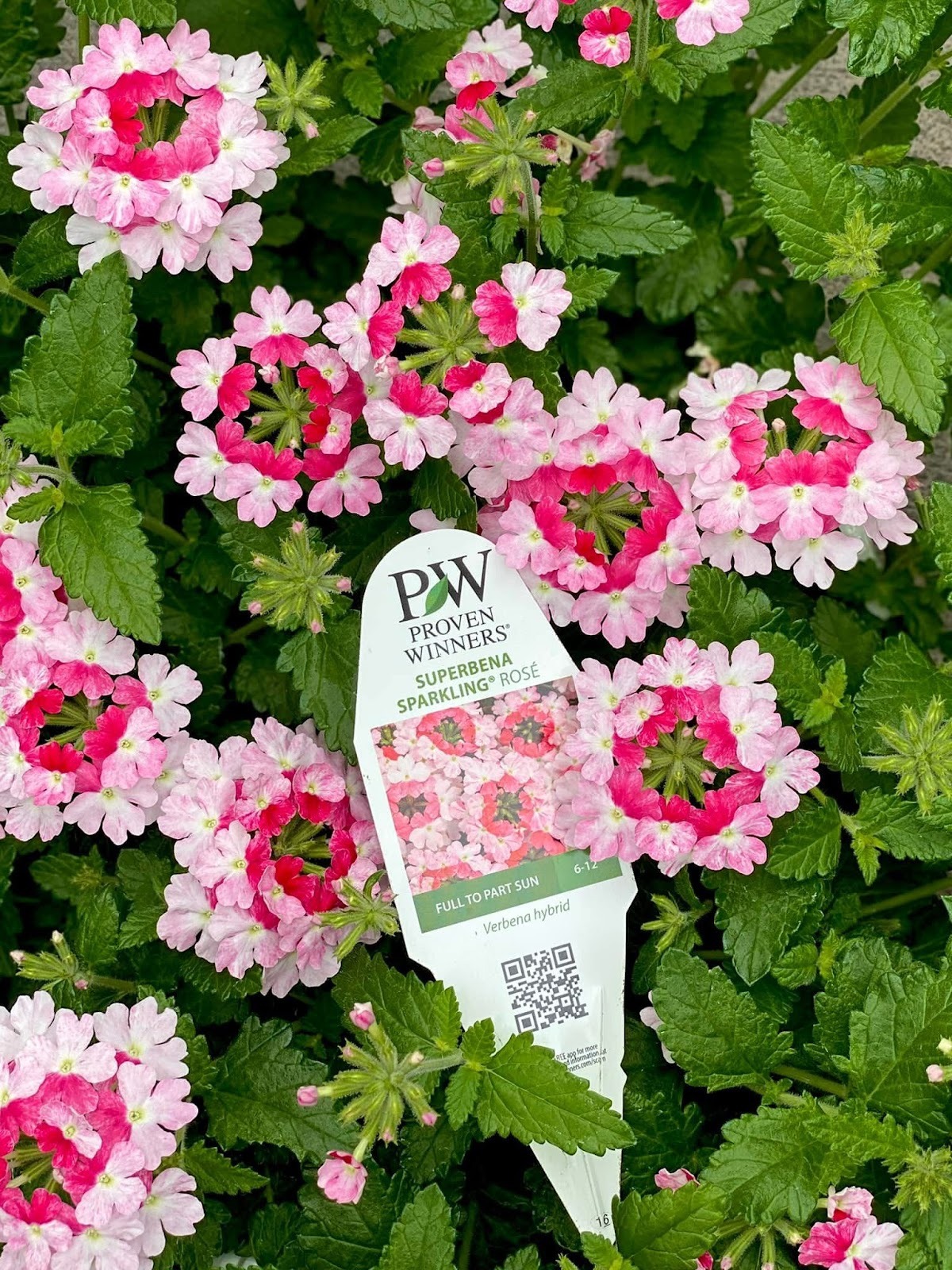
One thing I always suggest: when you’re picking out perennials, take a quick look at the plant tag. Most will tell you the zones they thrive in.
If there isn’t a tag, or you’ve been gifted a division and aren’t quite sure, a quick search online or in a gardening book can help guide you.

What are Frost Dates
So what exactly are frost dates? Frost dates are the average dates when your area typically experiences its last frost in the spring and its first frost in the fall. These are important to know because they guide you for when it’s generally safe to plant and when your growing season begins and ends.
There are two key dates to know:
- Last Spring Frost Date: When it’s usually safe to start planting outdoors.
- First Fall Frost Date: When your growing season typically ends.
These dates are based on historical averages, not exact guarantees, but are very helpful when planning your garden.

Frost dates are tied to your location, not your zone. Look at it like this: Survival vs. Schedule.
Your Hardiness Zone tells you what will survive the winter, while your Frost Dates tell you when it’s safe to start gardening. Zones are for perennials and frost dates are for annuals and vegetables. The exceptions are frost tolerant vegetables like kale, spinach, and peas.
Find Your Frost Dates and Put Them to Use
Planting too early is something I hear about often. And honestly, I’ve been guilty of it myself in the past. When we ran the nursery, we saw it happen several times — customers would plant too early, and after a late frost they’d be back selecting new plants. The temperatures had been looking so good … and who saw that frost coming?! That’s why knowing your frost dates can help you save time and money as well as protect your plants. Even though frost dates are not a guarantee, they’re an incredibly helpful guide.
It seems weird, but two areas in the same USDA Plant Hardiness Zone can have different frost dates. With that being said, I would give you all the frost dates across the United States but that list would be a mile long!
Here’s a link to my favorite site to find your frost dates: The Old Farmer’s Almanac Frost Dates Calculator.
It’s pretty simple. Once you’re on their webpage, look for the zip code search bar, type in your zip code, and it will give both frost dates for your area.
Grow Zones and Frost Dates in Closing
No two seasons are ever exactly the same. But when you know your grow zone and frost dates as a guide to planting, you give yourself the best possible start. Mother Nature takes it from there, as she always does.

Leave a Reply